How to Prepare for a Visit to a General Dentist in Aurora

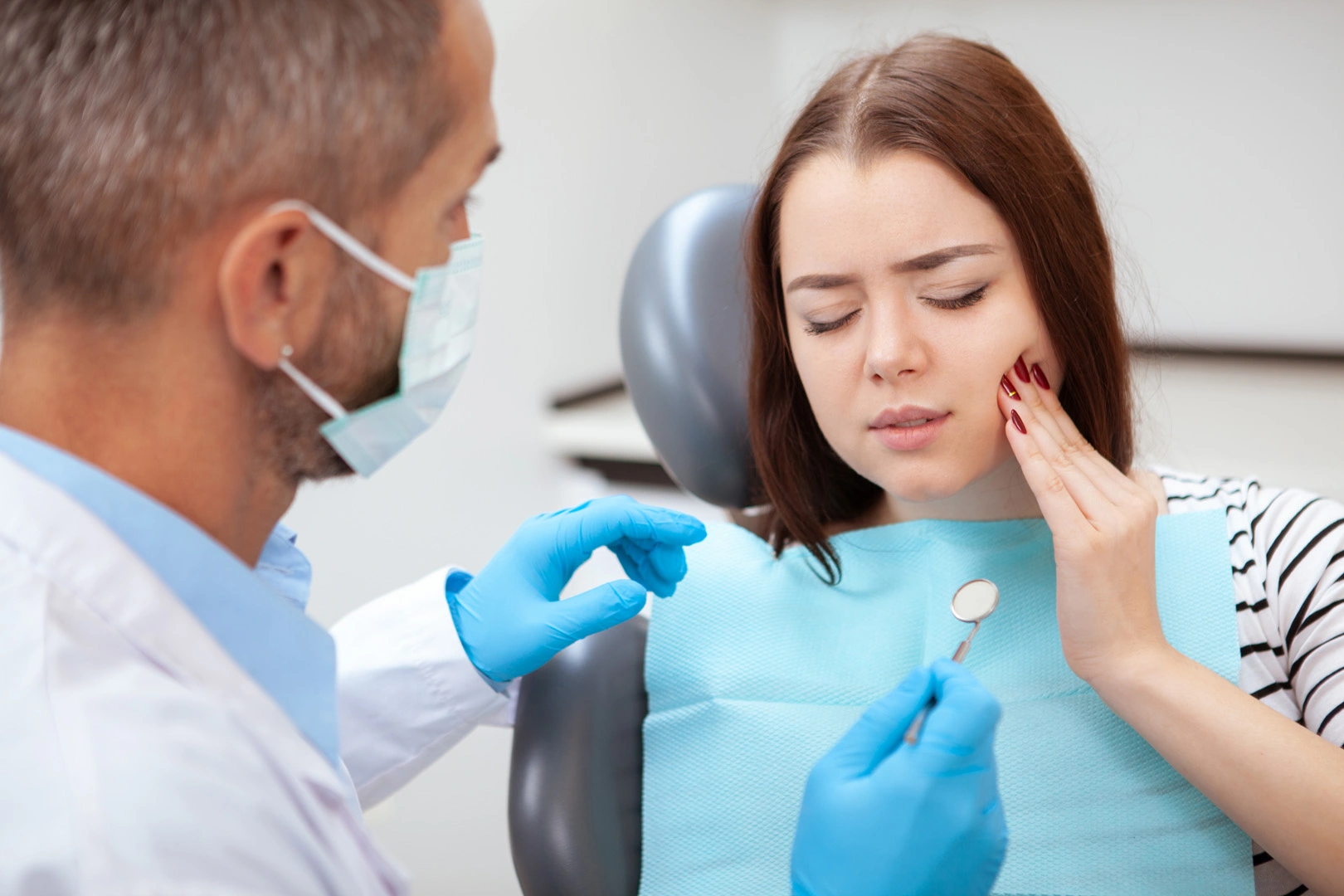

A dental visit tends to go one of two ways. It is either smooth, efficient, and reassuring, or it feels rushed because key details were left unsaid until the last minute. Most of that difference comes down to preparation. A little planning before you see a general dentist can save time, reduce anxiety, and help your appointment produce answers instead of guesswork.
That is especially true if you are seeing a new provider, returning after a long gap, or dealing with a specific concern such as tooth sensitivity, jaw pain, bleeding gums, or a broken filling. Patients often assume they should simply show up and let the dental team figure everything out. In practice, the best visits happen when the patient arrives with a clear picture of their symptoms, their dental history, and the practical details that affect treatment.
If you are planning to see a General Dentist Aurora residents trust for routine care or a problem-focused appointment, it helps to think beyond brushing your teeth before you leave the house. Good preparation includes paperwork, timing, insurance questions, medication history, and knowing what you want to ask.
Start with the purpose of the appointment
Before you book or confirm your visit, get specific about why you are going. That sounds obvious, but many people carry a vague concern into the office and then struggle to describe it when the dentist asks questions.
A routine cleaning and checkup requires one kind of preparation. A visit for pain, swelling, a chipped tooth, or a crown that feels loose requires another. The more clearly you can explain the reason for your visit, the easier it is for the office to schedule enough time and prepare the right staff or imaging in advance.
For example, saying, “I need a checkup” is straightforward. Saying, “I think I need a checkup, but I also have cold sensitivity on the lower right, and it started about three weeks ago when I bit into something hard,” is much more useful. That single sentence gives the team a timeline, a location, and a trigger. It also signals that your visit may need more than a quick cleaning.
If you are seeing a General Dentist Aurora clinic for the first time, mention whether you have had recent X-rays elsewhere, whether you are overdue for care, and whether you tend to feel anxious during dental treatment. These details shape the flow of the appointment more than many patients realize.
Gather the information the office will ask for
Dental offices spend a surprising amount of time collecting basic information that patients could have prepared in advance. When that information is incomplete, check-in slows down and treatment discussions get pushed into a shorter window.
Have your identification, insurance card if you are using benefits, and a current list of medications ready before the day of your visit. Include prescription drugs, over-the-counter pain relievers you use regularly, blood thinners, osteoporosis medications, and any supplements. Some people do not mention vitamins or herbal products because they do not think they matter. Sometimes they do.
Medical history matters in dentistry. Conditions such as diabetes, high blood pressure, autoimmune disorders, acid reflux, sleep apnea, and pregnancy can influence everything from gum health to healing to how local anesthetic is managed. If you have had joint replacement, heart conditions, radiation treatment to the head or neck, or recent surgeries, bring that up even if it seems unrelated.
If you have a previous dentist, it can help to request records in advance, especially if you have had root canals, implants, extractions, or treatment that is still being monitored. Not every office will need every record, but having them available can prevent repeat imaging and fill in gaps when you are trying to remember whether a procedure was done three years ago or eight.
Keep a short symptom timeline
When people are uncomfortable, memory gets fuzzy. A symptom that started “a while ago” could mean four days or four months. A little timeline helps the dentist distinguish between a minor irritation and something that may be progressing.
Write down when the problem started, what makes it better or worse, whether it wakes you up at night, and whether the discomfort is sharp, dull, throbbing, or pressure-based. Also note whether it happens with cold drinks, sweet foods, chewing, or only after brushing. Those patterns are often more informative than the pain level itself.
One of the most common examples is tooth sensitivity. Patients often say, “This tooth hurts,” when what they really mean is that cold air causes a quick zing on one side of the mouth, but they cannot tell which tooth is responsible. That is useful information. A brief, cold-triggered sensation may point toward exposed dentin, gum recession, or an early cavity. Lingering pain after hot or cold can suggest deeper irritation. Pain on biting raises a different set of possibilities, from a cracked tooth to a high filling to inflammation around the root.
If you have swelling, take a photo when it is visible. If a crown or filling came out, bring it with you in a clean container or resealable bag. Sometimes it cannot be reused, but sometimes it can, and bringing it gives the dentist more options.
Know your insurance, but do not let it make clinical decisions for you
Insurance confusion is one of the biggest sources of frustration at the front desk. Dental benefits are helpful, but they are not the same as a treatment plan. Patients sometimes arrive assuming that if something is “covered,” it must be necessary, or if it is not covered, it must be optional. Dentistry does not work that way.
Before your visit, check whether the office is in network if that matters to you, whether your preventive care is covered at 100 percent, and whether you have a remaining annual maximum. It also helps to know whether your plan has waiting periods for major procedures or frequency limits for exams, cleanings, and X-rays.
Still, keep your clinical questions separate from your financial questions. A cavity does not become less real because the plan pays only part of the fee. At the same time, a service is not automatically urgent because a benefit is available before year-end. A good office will explain both the dental need and the cost implications so you can make an informed decision.
If money is tight, say so early. That is not unusual, and it allows the team to discuss phased treatment, financing, or priority-based care. There is a practical difference between “I want the ideal full plan immediately” and “I need to address pain and infection first, then stage the rest over time.”
Brush and floss, but skip the overcorrection
Yes, clean your teeth before the appointment. No, do not attack your gums in a burst of guilt-driven flossing the night before.
Dentists and hygienists can tell the difference between your normal home care and an aggressive one-time effort. People often floss too hard before a visit, causing gum irritation or bleeding that muddies the picture. Aim for your regular, thorough routine. Brush well, floss gently, and if you wear removable appliances such as retainers, aligners, or dentures, clean those too.
Skip strongly staining foods and drinks right before your appointment if possible, especially if you are concerned about appearance or discussing whitening. Coffee and red wine are not forbidden, but if you are coming in with a question about discoloration, it helps if the dentist is not evaluating a fresh layer of surface stain from breakfast.
If your appointment may involve treatment rather than just an exam, avoid arriving hungry unless the office has told you to do so. Numbing, longer procedures, or post-treatment tenderness can make eating awkward for a few hours afterward. A light meal beforehand is often the sensible choice.
Give yourself enough time to arrive calm
Running late changes the tone of a dental appointment. You may skip questions, rush through paperwork, and carry tension into the chair. If you are seeing a General Dentist Aurora office during busy morning traffic, after school pickup hours, or in winter weather, build in more buffer than you think you need.
Try to arrive 10 to 15 minutes early, especially if you are a new patient. That extra time is not just for forms. It gives you a moment to settle, use the restroom, review your concerns, and mentally switch out of work mode. People who race into the office while answering emails from the parking lot often forget the exact thing they meant to mention.
This matters even more for patients with dental anxiety. Anxiety tends to climb when you feel out of control, and feeling late is a fast route to that mindset. A calmer arrival leads to better communication and, often, a more comfortable experience.
Say if you are nervous, and be specific about why
A lot of adults describe themselves as “bad dental patients” when what they really mean is that they have one or two predictable triggers. The sound of a drill bothers them. They dislike feeling numb. They had a painful procedure years ago. They gag during X-rays. They hate not knowing what comes next.
That is useful information. Dental anxiety is common, and it is much easier for the team to adjust when they know the source. Offices can often make simple changes, such as explaining each step before it happens, offering breaks, using topical anesthetic more carefully, changing X-ray positioning, or scheduling a shorter first visit focused on assessment rather than immediate treatment.
If you tend to avoid care because of embarrassment, say that too. Dental teams see neglected mouths, broken teeth, and long-overdue cleanings every day. What helps most is honesty. If you have not been in for six or ten years, saying so plainly allows the dentist to calibrate expectations and prioritize without pretending the situation is something else.
Questions worth bringing with you
Patients often think of good questions after they get home. Write them down before the appointment, even if they seem basic. Most people remember two out of five once they are in the chair.
Here are five questions that are genuinely useful at many general dental visits:
- What are you seeing right now that needs attention soon, and what can be monitored?
- If treatment is recommended, what happens if I wait three months or six months?
- Are there lower-cost or staged options that still protect the tooth or gums?
- What daily habits are most likely contributing to this problem?
- If I start treatment today, what should I expect afterward in terms of numbness, eating, and soreness?
Those questions do two things. They clarify urgency, and they reveal how the dentist thinks. Good care is not only about identifying disease. It is also about helping you understand timing, consequences, and realistic options.
Be honest about habits that affect your mouth
This is where many appointments become less productive than they should be. Patients minimize grinding, smoking, snacking, soda intake, missed flossing, or using their teeth to open packages. None of that helps.
Your dentist is not asking those questions to lecture you. They are trying to solve a clinical puzzle. If fillings keep breaking, nighttime clenching matters. If enamel is thinning, acidic drinks and reflux matter. If gums remain inflamed despite regular cleanings, smoking, vaping, dry mouth, and inconsistent home care matter.
A patient once might report that they brush twice a day and “eat pretty healthy,” yet mention later that they sip lemon water all day, chew ice, and clench through work stress. Those details change the conversation entirely. The issue is no longer just brushing technique. It becomes wear, acid exposure, and bite force.
If you have dry mouth from medications, mention it. Dry mouth is not just an annoyance. Saliva protects teeth, buffers acid, and supports soft tissue health. Patients taking antidepressants, antihistamines, blood pressure medications, or certain sleep aids often underestimate how much their mouth has changed because they have adapted to the feeling gradually.
Understand what might happen during a first visit
Not every first appointment follows the same pattern. Some are primarily diagnostic. Some include a cleaning if time and gum health allow. Some focus on a pressing issue, such as pain or a fractured tooth.
In a typical new-patient visit, expect a review of your health history, an exam, and likely some form of imaging if appropriate and not recently completed elsewhere. The dentist may check your teeth, existing restorations, bite, gum health, jaw joint function, and oral tissues. If you need a hygiene visit but there are signs of more advanced gum disease, the office may separate the evaluation from the actual cleaning so the proper type of periodontal care can be planned.
That surprises some people. They expect a cleaning no matter what. In practice, if the gums are significantly inflamed or deeper pockets are present, a standard quick polish is not always the right service. It is better to identify the condition accurately than to force a routine treatment that does not match what the mouth needs.
If your main reason for coming is pain, the visit may center on diagnosis first. That could mean tests for temperature sensitivity, bite pressure, percussion, or targeted X-rays. Once the cause is clearer, the dentist can discuss whether you need a filling, crown, root canal referral, extraction, adjustment, or a period of observation.
Practical details people forget
A surprisingly large number of small issues can interfere with a visit. Most are preventable.
Keep these in mind before you go:
- Bring your glasses if you need them for forms or consent documents.
- Charge your phone in case you need digital insurance information or payment access.
- Avoid scheduling a tight meeting immediately afterward if treatment may run long.
- Let the office know ahead of time if you need antibiotic premedication and have not received instructions.
- Bring a parent or support person if the patient is a child, elderly, or likely to need help remembering post-visit directions.
There is another practical point that matters after treatment. If you may receive numbing, especially for work on the lower jaw, be careful with plans involving public speaking, dining out, or returning straight to school with a young child. Adults manage numbness fine, but children and teens often bite their lip or cheek without realizing it.
If you are bringing a child, preparation looks different
A child’s first or early visits benefit from a low-drama approach. Avoid telling General Dentist Aurora them stories about shots, drills, or how much you hate the dentist. Parents mean well when they say, “Don’t worry, it won’t hurt,” but children immediately hear the word hurt. Better language is simple and neutral. You can say the dentist will count their teeth, take pictures, and make sure their mouth is healthy.
Schedule young children at a time of day when they are usually cooperative, not tired or hungry. Bring comfort items if they help, but do not overwhelm the child with promises or bribes. Calm confidence from the parent usually works better than a big build-up.
If your child has sensory issues, anxiety, or a strong gag reflex, tell the office in advance. That allows the team to pace the visit appropriately. The same goes for adults with sensory sensitivities General Dentist Aurora or neurodivergent needs. A little context changes how care can be delivered.
When a routine visit turns into treatment planning
One of the most important parts of preparing for a dental appointment is accepting that the outcome may not be what you expected. You may think you are coming in for a basic cleaning and leave with a recommendation for a crown, gum therapy, or replacement of old fillings. That does not automatically mean you are being overtreated. Teeth and gums change quietly, and many problems are not obvious until examined.
At the same time, it is reasonable to ask for clarity. If a dentist recommends treatment, ask what they are seeing clinically and, if relevant, on the X-ray. Ask whether the issue is active decay, a leaking margin, a fracture line, recurrent breakdown around an old restoration, or a gum concern. The goal is not to challenge every finding. The goal is to understand your own mouth well enough to make thoughtful decisions.
A solid General Dentist Aurora patients return to year after year usually welcomes those questions. Trust grows when explanations are plain, visual when possible, and proportionate to the actual problem.
After the appointment, do one thing while it is fresh
Before you drive away or move on with your day, take thirty seconds to note the key outcome. Record what was found, what was recommended, any costs you need to consider, and when you are supposed to return. If you were told to monitor a spot, use a prescription rinse, switch toothpaste, wear a night guard, or book a filling, write it down immediately.
People forget dental advice for the same reason they forget half of what is said in any healthcare setting. They are processing a lot at once. A quick note turns a vague memory into an action plan.
Preparation for a dental visit is not complicated, but it is often overlooked. Show up with a clear reason for the appointment, an honest medical and symptom history, and enough time to think and ask questions. That alone can make the difference between a visit that feels transactional and one that gives you a useful, accurate path forward. When you see a general dentist with that level of preparation, the appointment usually works better for everyone involved, especially you.
Aspenwood Dental Associates and Colorado Dental Implant Center
Address: 2900 S Peoria St Ste C, Aurora, CO 80014
Phone number: +13037314037
FAQ About General Dentist Aurora
What is meant by general dentistry?
General dentistry refers to the primary, foundational tier of oral healthcare, focused on the prevention, diagnosis, and treatment of conditions affecting the teeth, gums, and jaw. General dentists serve as a patient's main, long-term dental care provider—much like a primary care physician.
What is general dentistry and orthodontics?
General dentistry and orthodontics are two specialized branches of dental care. General dentistry serves as your primary care for overall oral health, focusing on routine cleanings, fillings, and disease prevention. Orthodontics is a specialized field focused entirely on diagnosing and correcting misaligned teeth and jaw structures using braces or clear aligners.
What are type 3 dental services?
Type 3 dental services typically include major restorative treatments that repair or replace damaged or missing teeth. These services are more complex and costly than preventive or basic dental care. Common examples of type 3 dental services include: Dental crowns.