How a General Dentist in Aurora Supports Lifelong Dental Health

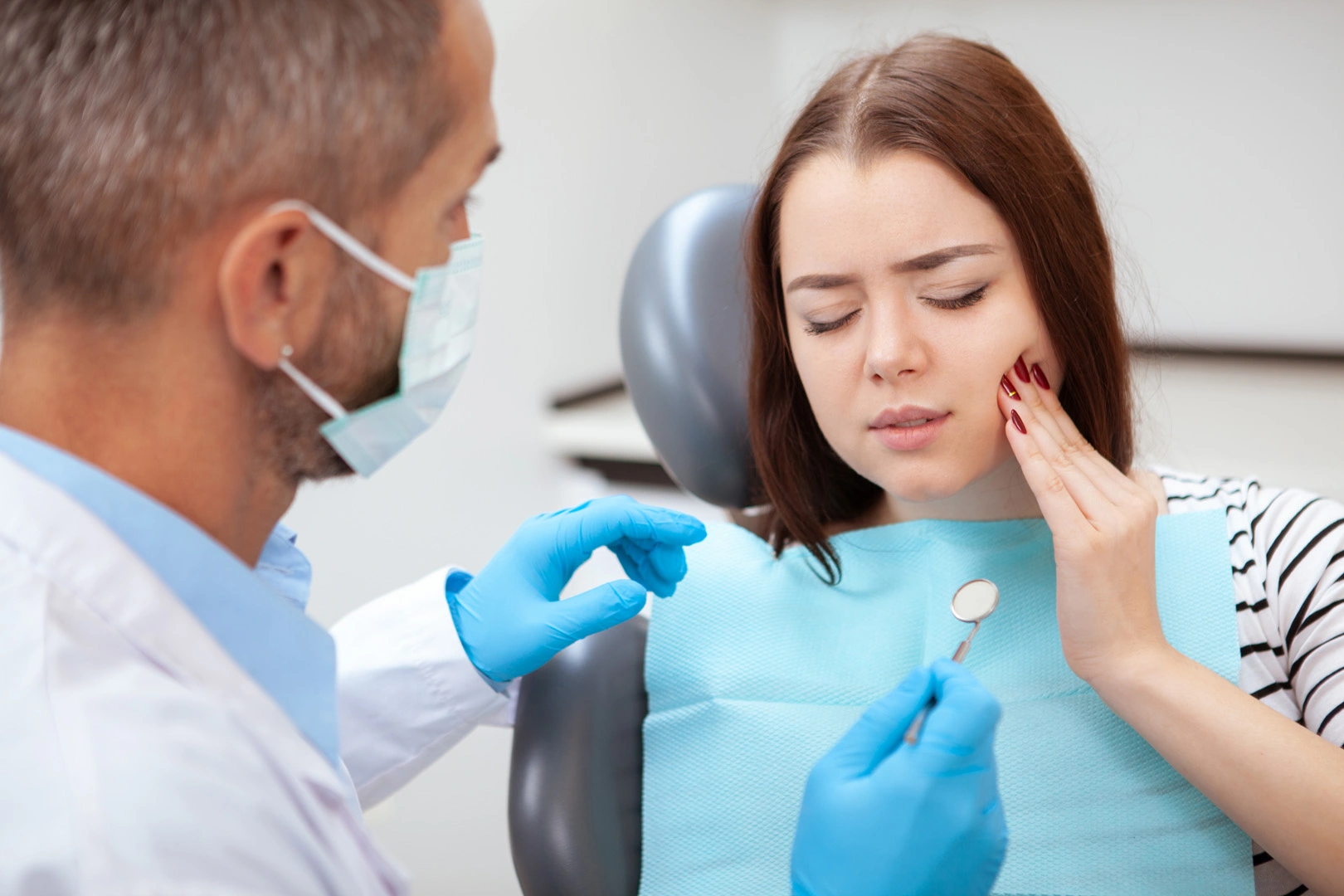
A healthy smile rarely comes down to one dramatic fix. More often, it reflects years of steady care, timely advice, and small decisions made well. That is where a general dentist becomes essential. For many families, the general dentist is the clinician who sees the first baby tooth erupt, helps a teenager through orthodontic referrals and sports mouthguards, restores worn or damaged teeth in adulthood, and manages the changing oral health needs that come with aging.
In a growing community like Aurora, dental care has to be practical as well as preventive. People juggle school schedules, commutes, work demands, family caregiving, and the ordinary unpredictability of life. A dentist who understands that reality can do much more than clean teeth. The right general practice becomes a long-term health partner, one that notices patterns early, helps patients avoid avoidable treatment, and makes it easier to maintain oral health year after year.
When people search for a General Dentist Aurora patients can rely on, they are often looking for convenience. What they usually need, though, is continuity. Continuity changes outcomes. It creates a record of how the mouth has changed over time, how the bite functions, which restorations are aging, whether gums are stable, and what habits may be quietly causing problems.
The value of consistent care over time
Dentistry rewards consistency. A patient who comes in regularly gives the dentist a baseline, and that baseline matters. A small crack in a molar means something different if it was not there six months ago. Mild gum inflammation means something different if the tissue was firm and healthy at the last several visits. Even subtle wear on front teeth can tell a story about nighttime grinding, dietary acids, or bite imbalance.
Without that long view, care becomes reactive. A person waits until a tooth hurts, then expects a quick solution. Sometimes the solution is straightforward. Often it is not. Pain can mean decay has reached the nerve, a fracture has deepened, or long-standing gum disease has progressed quietly. By the time symptoms appear, treatment is usually more complex and more expensive.
General dentistry is built around preventing that cycle. Exams, hygiene visits, diagnostic imaging when indicated, and careful monitoring allow problems to be addressed while they are still modest. A tiny cavity may need a small filling. Leave it alone for too long and the same tooth may require a crown, root canal treatment, or extraction. That is not fear-based messaging, it is simply how disease tends to progress when ignored.
Patients sometimes underestimate the practical side of preventive care. A short appointment every few months can preserve workdays, protect family budgets, and reduce the chance of a dental emergency before a vacation or major event. It is easier to maintain health than to rebuild it.
Oral health starts long before treatment is necessary
One of the quiet strengths of a general dentist is education delivered at the right time. Not generic advice, not lectures, but guidance tailored to what is actually happening in a patient’s mouth.
A child with deep grooves in the back teeth may benefit from sealants before cavities develop. A teen who sips sports drinks daily may need a direct conversation about enamel erosion. An adult with recession near the canines may need brushing technique corrected, not merely told to brush more. An older patient with dry mouth after a medication change may need fluoride support and more frequent monitoring.
That kind of care is less dramatic than major restorative work, but it can have a bigger effect over the long run. The best general dentists are not simply repairing damage. They are translating risk into action before damage takes hold.
A simple example comes up often in practice. A patient says, “I floss when I remember.” On the surface, that sounds harmless. Yet the gums may show bleeding between posterior teeth, tartar may collect in areas the toothbrush misses, and early decay may be forming where teeth contact each other. A dentist or hygienist who explains what is happening in that specific mouth, rather than delivering a generic speech, has a much better chance of changing behavior.
Childhood visits shape adult habits
Lifelong dental health often begins with the emotional tone of early appointments. Children remember whether a dental office felt calm, whether instructions were clear, and whether adults around them treated oral care as routine rather than alarming. A general dentist who works well with families helps normalize care from the beginning.
That starts with prevention, but it also includes pacing. Some children need time to build trust. Some need visual explanations. Others do best when parents know exactly what language to use at home before the visit. A seasoned dentist understands that successful pediatric care is not only technical, it is behavioral and relational.
Early visits also create opportunities to catch issues that are easy to miss at home. The dentist may notice crowding patterns, a crossbite, oral habits such as thumb sucking, delayed eruption, or plaque accumulation in a child who is brushing independently before they are ready. None of this means every child needs intervention right away. It means there is value in watching growth carefully and acting only when timing is right.
Families often appreciate a general practice because siblings, parents, and sometimes grandparents can all be seen in one setting. That has practical advantages, but it also helps reinforce a culture of care. Children who see adults keeping appointments and discussing oral health calmly tend to view dental care as an ordinary part of staying healthy.
The teenage years bring a different set of risks
Adolescence can be a turning point, and not always in a good way. Orthodontic treatment, diet changes, inconsistent routines, sports participation, and increasing independence all affect oral health. Teenagers often know what they should do but do not always do it consistently.
This is where a general dentist in Aurora can be especially useful, because teens need oversight without being treated like children. A dentist may monitor oral hygiene around braces or clear aligners, check wisdom tooth development, address trauma from sports, and talk frankly about habits such as frequent energy drinks, vaping, or grinding related to stress.
One common problem during the teen years is decalcification around orthodontic brackets. The teeth have been straightened, but white chalky spots remain because plaque sat undisturbed around the hardware. Those marks can persist long after braces come off. It is a good example of how a healthy outcome depends on home care as much as treatment itself.
Mouthguards also deserve more attention than they usually get. Store-bought versions may be better than nothing, but they often fit poorly and can interfere with breathing or speech. A custom sports guard is more comfortable, more protective, and more likely to be worn regularly. For teens in contact sports, that matters.
Adulthood is where neglect tends to catch up
Adults are often the most likely to postpone care. Work deadlines pile up. Childcare is expensive. A small sensitivity seems manageable. A chipped filling can wait. Then one day, chewing becomes difficult or a tooth breaks.
By this stage, the role of a general dentist becomes broader. Preventive care still matters, but restorative planning often enters the picture. Fillings wear out. Crowns age. Clenching causes fractures. Old dental work may no longer fit the bite well. Gum recession may expose root surfaces that decay more easily than enamel.
A good general dentist does not treat every issue in isolation. That is where judgment matters. A single broken tooth might be simple, but if the patient also shows widespread wear, flattened chewing surfaces, and morning jaw soreness, the real problem may be bruxism. Replacing the broken restoration without addressing the grinding sets the stage for repeat failures.
Adults also bring more medical complexity to the chair. Diabetes, autoimmune conditions, pregnancy, acid reflux, cancer therapy history, and medication changes can all affect oral tissues and healing. The connection between oral health and general health is not abstract in these cases. It influences treatment timing, home-care recommendations, and follow-up intervals.
Consider the patient with chronic dry mouth caused by blood pressure medication or antidepressants. Saliva protects enamel, buffers acids, and helps control bacterial activity. Once that protection drops, cavity risk can climb quickly, sometimes in places that have never had decay before, especially along the gumline. A dentist who catches that change early can recommend fluoride strategies, hydration support, product adjustments, and closer maintenance. Without that intervention, decay can spread surprisingly fast.
Gum health is a lifelong issue, not a side note
Many patients think of dentistry in terms of teeth alone, yet gum disease is one of the most common threats to long-term oral health. It often progresses quietly. General Dentist Aurora Gums may bleed a little during brushing, then stop. Breath may change gradually. Teeth may feel normal even while bone support is being lost.
General dentists monitor for these changes over time, and that monitoring is one of the strongest arguments for regular visits. Gum disease is easier to stabilize in its earlier phases. Once bone is lost, it generally does not regenerate on its own. The goal becomes control rather than reversal.
There is also a strong behavioral component. Some people need more frequent hygiene visits because their plaque hardens quickly into calculus. Others have restorations or crowded teeth that make cleaning difficult. Still others are genetically more susceptible to periodontal breakdown despite reasonable home care. This is why one-size-fits-all schedules can be misleading. Two patients may brush and floss with equal effort and still require different maintenance intervals.
The signs that deserve prompt attention are not dramatic, but they are important:
- Bleeding during brushing or flossing that happens regularly
- Persistent bad breath or a bad taste in the mouth
- Gum recession or teeth that suddenly look longer
- Teeth that feel loose or shift in position
- Tenderness when chewing, especially if the gums seem swollen
A patient does not need all of these signs for gum disease to be present. Even one can justify an earlier appointment.
Restorative care is strongest when it is conservative
One mark of an experienced general dentist is restraint. Not every crack needs a crown immediately. Not every stained groove is decay. Not every missing tooth should be replaced the same way. Good dentistry balances intervention with preservation.
That balance matters because every restoration has a lifespan. A filling may need replacement years later. A crown requires more tooth structure to be removed than a filling. Bridgework and implants can be excellent solutions in the right cases, but each comes with maintenance requirements and cost considerations. The best treatment plan is not always the most extensive one. It is the one that solves the current problem while protecting future options.
Patients appreciate honesty on this point. If a tooth can be watched safely, say so. If a restoration is serviceable but aging, explain what signs would justify replacement. If there are several ways to treat the issue, discuss the trade-offs clearly. One patient may prioritize longevity, another lower immediate cost, another minimal intervention. Professional guidance matters most when it helps people make informed choices, not when it pressures them.
A practical example would be a molar with a large existing filling and a hairline crack. If the crack is superficial and the tooth is not symptomatic, monitoring may be reasonable. If the filling is undermined, the tooth flexes under chewing pressure, and the patient reports pain on release when biting, the threshold for a crown is much lower. The difference lies in function, risk, and symptoms, not in a blanket rule.
A general practice often becomes the first stop in a dental emergency
Dental emergencies rarely happen at convenient times. A child falls off a bike. A temporary crown comes off before a wedding. A back tooth starts throbbing on a Friday afternoon. In these moments, established patients benefit from having a dental home.
A general dentist who knows the patient’s history can make faster, more informed decisions. They may already know the age of the restoration, the status of the nerve, the patient’s bite pattern, and any medical factors that influence treatment. That familiarity can shorten the path from pain to solution.
Not every emergency can be permanently resolved in one visit, and this is another place where honest communication matters. Sometimes the immediate goal is to control pain, reduce infection risk, or stabilize the tooth until definitive treatment can be completed. Patients generally cope well with staged care when they understand why it is necessary.
There is also a preventive lesson hidden in many emergencies. Broken cusps often follow years of heavy chewing forces on weakened teeth. Abscesses often begin as untreated decay or failing restorations. Temporomandibular flare-ups may reflect chronic clenching made worse by stress. Emergency treatment solves the urgent issue, but long-term care reduces the chance of recurrence.
Aging changes the dental picture
Older adults face a different set of challenges, and they are not always obvious. Natural wear accumulates. Existing dental work ages. Root surfaces become more exposed as gums recede. Dexterity may decline, making brushing and flossing harder. Medications increase, and with them often comes dry mouth.
At the same time, many older adults want to keep their natural teeth for life, and with proper care, many do. General Dentist Aurora That goal is realistic, but it requires adaptation. Tools may need to change. An electric toothbrush may be more effective for someone with arthritis. Interdental brushes may work better than traditional floss around bridgework or wider embrasures. Fluoride varnish or prescription-strength toothpaste may be useful for patients at elevated decay risk.
For patients with dentures or partial dentures, general dentistry still matters. Oral tissues need examination. Appliances need fit checks and occasional adjustments. Ill-fitting dentures can create sore spots, interfere with nutrition, and accelerate ridge changes. There is also the crucial task of screening for abnormalities in the soft tissues, especially in patients with a history of tobacco or alcohol use.
Older patients often do best when care is paced thoughtfully. Longer appointments can be tiring. Complex treatment plans may need to be sequenced around medical visits, finances, transportation, or caregiver schedules. This is where experience shows. Good dental care for seniors is not only about technical execution, it is about planning that respects the whole person.
What patients can do between visits
The daily habits that protect oral health are familiar, but the details matter more than people think. Technique, consistency, and timing often matter more than intensity. Brushing harder does not clean better. It usually causes abrasion and irritation. Rinsing constantly with acidic beverages is worse than having them with meals. Wearing a nightguard only occasionally offers limited protection if grinding is frequent.
The most useful home-care principles are simple:
- Brush thoroughly twice a day with a fluoride toothpaste and a soft-bristled brush
- Clean between the teeth daily using floss, picks, or interdental brushes that actually fit
- Limit frequent sipping of sugary or acidic drinks, especially between meals
- Replace worn dental appliances or mouthguards when they no longer fit properly
- Do not ignore changes such as sensitivity, bleeding gums, or a rough edge on a tooth
Patients often ask whether expensive products make the difference. Usually, no. Consistent use of the right basic tools matters more than a crowded bathroom shelf. A dentist or hygienist who can personalize the routine, based on crowding, restorations, gum condition, and dexterity, is usually far more helpful than the latest trend product.
Why local context matters in Aurora
Dental care does not happen in a vacuum. Community patterns affect what a general practice sees every day. In Aurora, as in many busy suburban areas, dentists care for a broad mix of young families, professionals, retirees, and newcomers building routines in a new area. That diversity shapes the work.
A local practice often becomes adept at coordinating around school calendars, accommodating family appointments, and helping patients who may not have had regular care for a while re-enter treatment without shame or confusion. That last point matters. Many adults delay care because they expect to be judged. The better practices understand that life happens. Their job is to assess the present condition honestly and move forward.
A General Dentist Aurora residents trust is often one who can shift fluidly between prevention, diagnosis, routine restorative care, and referrals when specialized treatment is the better option. Knowing when not to keep a case in-house is part of good general dentistry. Referral to a periodontist, endodontist, orthodontist, pediatric dentist, or oral surgeon can be the most responsible move, provided the general dentist continues to coordinate overall care.
That coordination is often overlooked by patients, yet it is one of the main ways lifelong outcomes improve. Specialty care solves a specific problem. The general dentist integrates that work into the broader picture, monitors it over time, and helps ensure it continues to function well years later.
Lifelong health is built on relationship, judgment, and follow-through
There is no single appointment that guarantees lasting oral health. What makes the difference is the steady accumulation of well-timed care. A general dentist supports that process by watching for early change, teaching patients what matters in their specific situation, treating disease conservatively when possible, and acting decisively when needed.
The technical side of dentistry is important, of course. Yet long-term success depends just as much on judgment and follow-through. It depends on knowing when to monitor and when to intervene, when to simplify a plan and when to recommend something more comprehensive, when to reassure and when to be direct.
For patients in Aurora, the right general dentist can become one of the most consistent healthcare relationships they have. Over years, that relationship protects more than a smile. It supports comfort, function, confidence, and the ability to eat, speak, and live without preventable dental problems setting the agenda. That is what lifelong dental health really looks like, not perfection, but well-managed health sustained by experience, trust, and regular care.
Aspenwood Dental Associates and Colorado Dental Implant Center
Address: 2900 S Peoria St Ste C, Aurora, CO 80014
Phone number: +13037314037
FAQ About General Dentist Aurora
What is meant by general dentistry?
General dentistry refers to the primary, foundational tier of oral healthcare, focused on the prevention, diagnosis, and treatment of conditions affecting the teeth, gums, and jaw. General dentists serve as a patient's main, long-term dental care provider—much like a primary care physician.
What is general dentistry and orthodontics?
General dentistry and orthodontics are two specialized branches of dental care. General dentistry serves as your primary care for overall oral health, focusing on routine cleanings, fillings, and disease prevention. Orthodontics is a specialized field focused entirely on diagnosing and correcting misaligned teeth and jaw structures using braces or clear aligners.
What are type 3 dental services?
Type 3 dental services typically include major restorative treatments that repair or replace damaged or missing teeth. These services are more complex and costly than preventive or basic dental care. Common examples of type 3 dental services include: Dental crowns.